
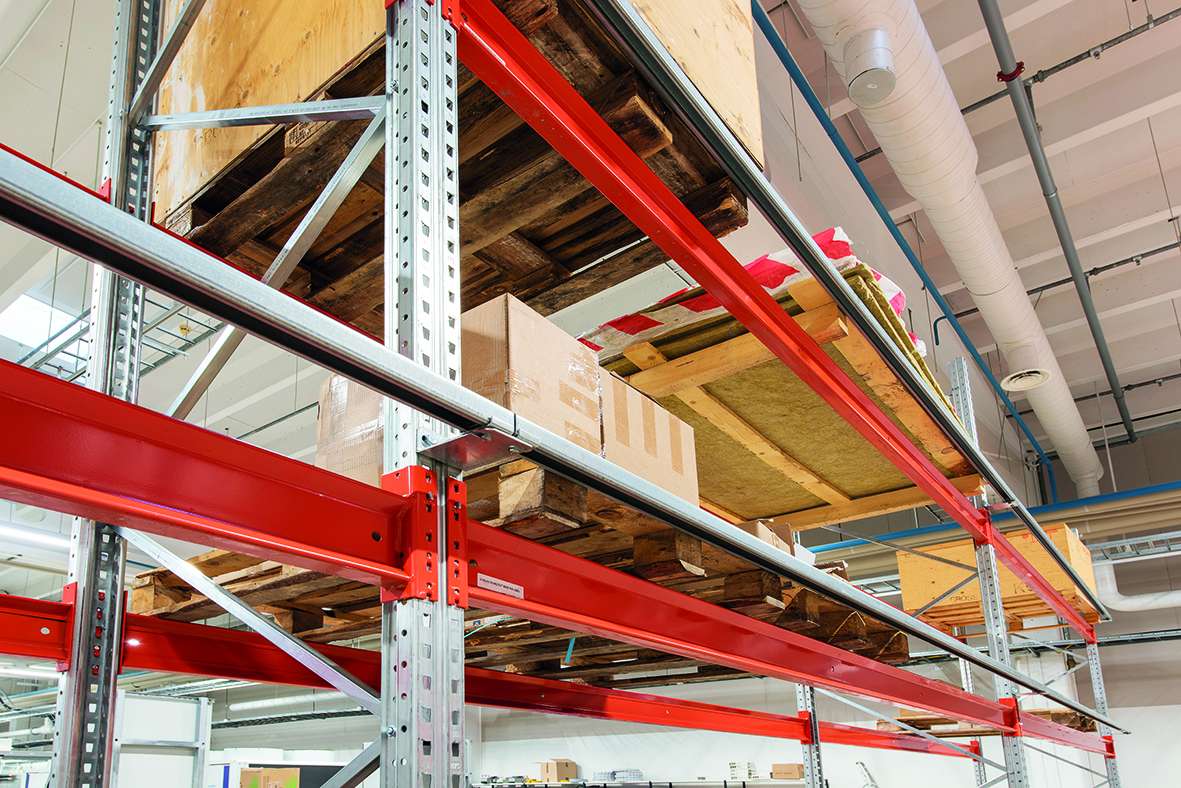
When you’re planning a warehouse expansion or renovation, one of the first decisions you’ll face is whether to invest in new pallet racks or go with refurbished inventory. The answer isn’t always straightforward. For many operations, the choice between used and new pallet racks depends on your budget, timeline, capacity needs, and how much risk you’re willing to accept. Let’s walk through the real considerations that should guide your decision.
The Cost Reality
The most obvious difference between used and new pallet racks is price. Refurbished racks typically cost 40 to 60 percent less than brand-new systems. For a warehouse buying multiple sections or upgrading their entire storage configuration, that difference can mean tens of thousands of dollars.
But here’s what matters: you’re not just comparing sticker prices. You’re comparing total cost of ownership. A used rack that fails after two years or requires unexpected repairs might not be the bargain it seemed at purchase. Conversely, a slightly more expensive new rack with a warranty and guaranteed specifications could save you money in the long run.
The real question is whether that cost savings aligns with your operation’s tolerance for risk. A small manufacturing facility with limited budget and modest storage needs might find used racks perfectly suitable. A high-throughput distribution center that absolutely cannot tolerate equipment failure might justify the premium for new inventory with full manufacturer support.
Understanding What “Refurbished” Actually Means
Not all used racks are created equal. Some have barely been used. Others have years of wear and tear from 24/7 operations. Unfortunately, the term “refurbished” isn’t standardized across the industry, so what one seller calls “like-new” might be significantly different from another’s definition.
When you’re evaluating refurbished inventory, you need to understand what happened to the equipment before it reached the reseller. Did it come from a company that upgraded to larger capacity? Was it part of a facility that shut down? Did it serve in a high-volume operation for years?
The source matters because it tells you something about the likely condition. Racks from an orderly decommissioning are usually in better shape than racks salvaged from a liquidation. Temperature-controlled environments produce different wear patterns than outdoor storage. The original customer’s care and maintenance practices have a real impact on longevity.
Reputable resellers can usually provide this history. They know where their inventory came from and can give you realistic context about usage intensity and condition. If a seller can’t or won’t explain the equipment’s background, that’s a red flag worth taking seriously.
Structural Integrity and Safety Considerations
This is the part where you can’t cut corners. Pallet rack safety isn’t negotiable. A structural failure in your racking system can cause catastrophic loss of product, equipment damage, or worse, serious injury to your team.
When you inspect used pallet racks, you’re looking for several critical things. Start with the uprights, the vertical columns that form the backbone of the system. Look for bending, twisting, or permanent deformation. Run your hand along the surface and feel for deep dents or gouges that might have compromised structural integrity. Pay special attention to the base of the uprights, where stress concentrates.
Next, examine the welds or connection points if you’re looking at welded systems. Poor welds or cracks are deal-breakers. If you’re not comfortable evaluating weld quality yourself, bring in someone who is. Many structural engineers or professional riggers can assess this quickly.
Check the horizontal beams that span between uprights. These beams support your actual product, and any permanent bending or sagging should immediately disqualify the rack from use. This is one place where visual inspection alone might not be enough. If you’re buying a large quantity of used racks, consider having a professional conduct load testing or certification on a sample.
Also look at the beam-to-upright connections. If fasteners are loose, missing, or corroded, that’s worth evaluating. Some corrosion is cosmetic and doesn’t affect function. Other corrosion can significantly weaken the connection points.
Deck Condition and Maintenance Implications
The decking material, whether it’s wire mesh, particle board, or steel, affects both the initial condition assessment and your ongoing maintenance costs.
Wire mesh deck typically ages better than alternatives. It’s visible, so damage is obvious, and it doesn’t absorb moisture. A wire deck that looks worn is usually just cosmetic wear. Steel decking can show rust or corrosion, which you’ll want to evaluate. Rusted spots might be surface oxidation or could indicate deeper structural issues.
Particle board or wood-based decking is where refurbished inventory can surprise you. This material absorbs moisture and deteriorates over time. A pallet rack that spent years in a humid environment or outdoors will have compromised decking. Replacing decking is an expense you might not budget for when calculating the true cost of your used system.
Plan for decking replacement as a possibility. If you’re buying a large quantity of used racks with particle board decking, factor in replacement costs and labor. Sometimes the “bargain” used rack actually costs more than new once you account for necessary updates.
Warranty and Support Reality
New pallet racks come with manufacturer warranties. Refurbished racks typically don’t, or they come with very limited coverage. This isn’t just about peace of mind. It affects what happens when something goes wrong.
If a new rack fails within the warranty period, the manufacturer generally addresses the problem. If a used rack fails after you buy it, the responsibility is yours. You’re dealing with repairs, downtime, potential product loss, and the cost of emergency service calls.
Some resellers offer limited warranties on refurbished inventory, often 30 to 90 days. This can provide a degree of protection, but it’s much shorter than manufacturer warranties on new equipment. Read the fine print carefully. What exactly is covered? Is it parts only, or does it include labor? What’s the process for making a claim?
This gap in warranty support is particularly important if you’re buying critical equipment for a mission-critical operation. The cost of downtime might far exceed the savings on the initial purchase.
Making the Decision Framework
Here’s a practical approach to thinking through this decision:
First, assess your operation’s tolerance for downtime. If your warehouse operates just-in-time and downtime costs significantly, new equipment with warranty support might be the safer investment. If you have buffer capacity and can tolerate temporary disruptions, used racks become more viable.
Second, consider your budget situation. Is this a capital expense that needs to fit within tight constraints, or do you have flexibility? If budget is the limiting factor, refurbished racks might be the only feasible option. Just make sure you’re accounting for potential additional costs.
Third, evaluate the quantity and type of racks you need. Buying a single or handful of used racks is different from outfitting an entire warehouse. For small quantities, the premium for new equipment is often easier to justify. For large projects, bulk discounts on new inventory might reduce the price gap significantly.
Fourth, look at your timeline. Do you need equipment immediately, or can you wait? New racks might have lead times. Used inventory is typically available faster. If you’re under time pressure, that affects your leverage in negotiations and your willingness to take on additional risk.
Finally, verify the source and condition carefully. If you’re buying from a reputable dealer who can document the equipment’s history and who stands behind their inventory, that’s worth something. An unknown source selling rock-bottom prices from unclear origins is riskier.
The Inspection Process That Works
If you decide to pursue used equipment, don’t skip the inspection. This is where you reduce risk significantly.
Inspect in person whenever possible. Photos and descriptions can’t replace standing in front of the equipment and checking it yourself. Look at multiple units if you’re buying several sections. Resellers should welcome inspections. If they’re evasive or restrictive about access, question why.
Document everything. Take photos of any damage, wear, or concerns. Note the dimensions, specifications, and condition of fasteners. If you’re not knowledgeable about pallet rack construction, bring someone who is.
Ask about load ratings and verify them against the specifications. Check if there’s any documentation showing the equipment’s history. The better the documentation, the more confidence you can have.
Don’t let price anchor your expectations too much. If something seems too cheap for the condition it’s in, it probably is. Good deals exist, but not deals that are completely disconnected from market reality.
When Refurbished Makes Sense
Used pallet racks are absolutely the right choice in certain situations. If you’re supplementing existing inventory with a few additional sections, buying refurbished makes sense. You’re matching your existing system, and the volume justifies the time spent sourcing and inspecting.
If you’re buying equipment for a temporary project or short-term expansion, the lower cost of refurbished inventory provides a better ROI than new equipment you’ll only need for a few years.
If you’re a smaller operation with cash constraints and reasonable expectations about downtime tolerance, refurbished racks can serve you well, especially if they’re sourced from reliable dealers.
For growing companies testing new configurations before committing to permanent systems, used inventory offers a lower-risk way to experiment.
When New Equipment Is Worth It
Conversely, new pallet racks make sense when reliability is paramount. Mission-critical operations, high-throughput facilities, and companies with tight margin profiles can’t afford equipment failures.
If you’re establishing new specifications or compliance requirements, new equipment ensures you meet those standards. If you’re planning a system that will serve for many years, the premium for new equipment gets amortized and the warranty protection gains value.
For large purchases, new equipment often has better volume pricing than you might expect. Get quotes for both used and new at your target volume. The gap might be smaller than you think.
The Bottom Line
The choice between used and new pallet racks isn’t about one option being universally right. It’s about matching the equipment choice to your specific operation, risk tolerance, and financial situation.
Used racks can absolutely work well. They’ve already proven themselves functional in real-world operations. The key is sourcing them from dealers who know their inventory, inspecting thoroughly, and going into the purchase with clear-eyed expectations about warranty limitations and potential maintenance needs.
New racks offer certainty, warranty coverage, and guaranteed specifications. That certainty has value, and for some operations, it’s worth the premium.
Whatever you choose, don’t make the decision based on price alone. Consider the total cost picture. Factor in downtime risk, maintenance implications, warranty coverage, and the specific needs of your operation.
When you approach the decision this way, you’ll end up with racking that actually fits your business instead of regret hiding in your warehouse.